Why Alliteration Helps Children Learn the Alphabet Naturally

Posted on

What makes certain words and phrases stick in our minds for years?

Think about famous brand names like Coca-Cola, Best Buy, or Dunkin’ Donuts. Or famous literary lines such as Shakespeare’s “I count the clock that tells the time.” What they all share is alliteration — the repetition of consonant sounds at the beginning of nearby words.

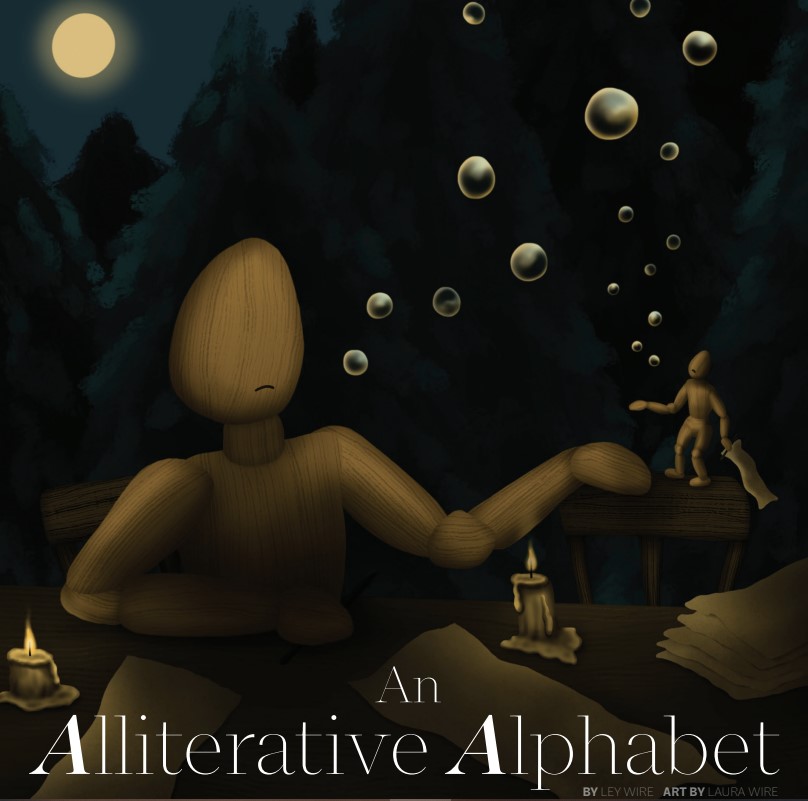
An Alliterative Alphabet

An Alliterative Alphabet


In a recent episode of the Homeschool Ways podcast, illustrator Laura Wy discussed how she and her sister-in-law Lee created An Alliterative Alphabet, a delightfully quirky picture book that teaches children the alphabet through playful language, unexpected scenarios, and memorable illustrations. Continue reading »


Making Bilingual Learning Fun with Patchi and Sebastian

Posted on

What if introducing your child to a second language could feel more like story time and less like schoolwork?

In a recent conversation on the Homeschool Ways podcast, actress, musician, and author Fernanda Romero shared how she created the Patchi and Sebastian bilingual children’s book series to help young children naturally absorb both English and Spanish through rhythm, rhyme, storytelling, and imagination.

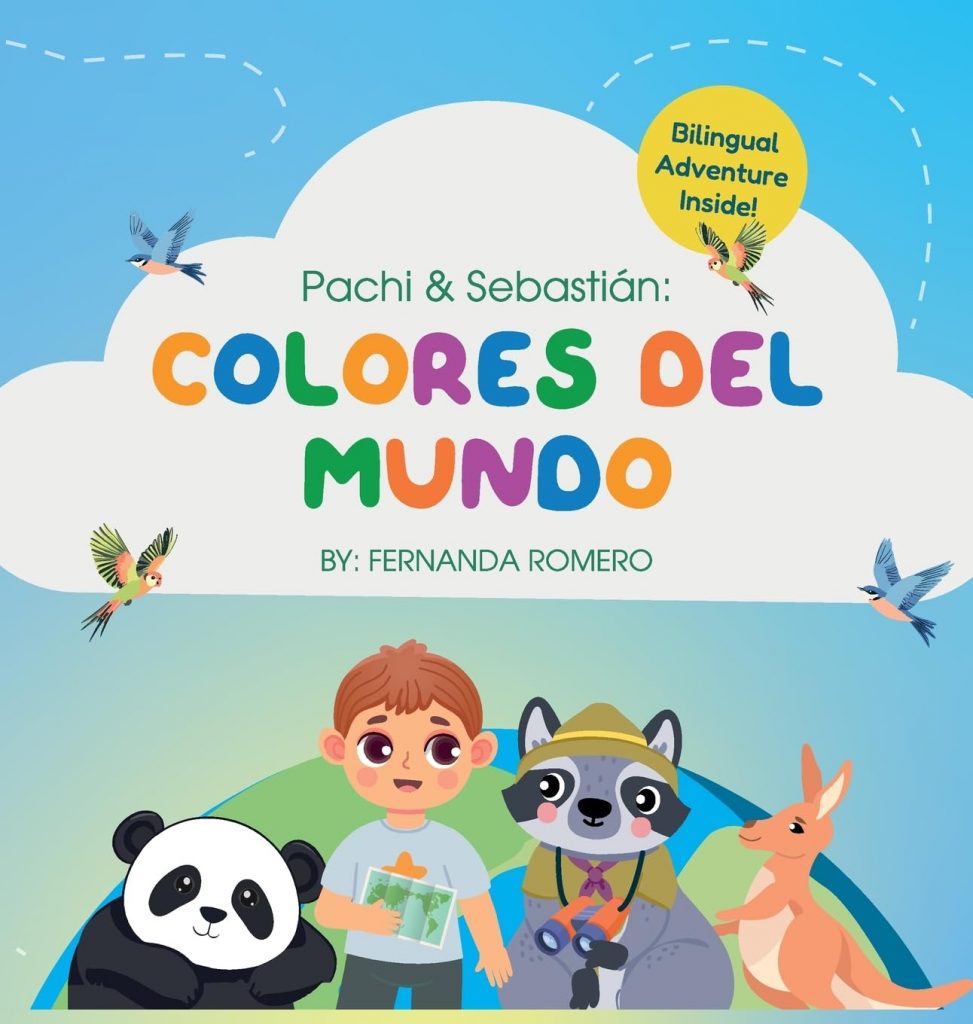
Colores del Mundo

Colores del Mundo by Fernanda Romero

Her first book, Colores del Mundo, is far more than a vocabulary book. It introduces children to colors, animals, geography, continents, and culture in a playful way that feels effortless. The text rhymes in both English and Spanish, helping children retain language through sound patterns and repetition. Continue reading »


RightStart Math vs. Math Mammoth: Which Homeschool Math Curriculum Fits Best?

Posted on

Choosing a math curriculum early on can shape whether math feels smooth and confident—or frustrating and emotional—later in high school. If math has ever ended in tears, you’re not alone. Often, the issue isn’t math itself, but the fit of the curriculum.

RightStart Math vs Math Mammoth

RightStart Math vs Math Mammoth Curriculum Review


This comparison is based on real homeschooling experience using both Math Mammoth and RightStart Math since 2013. Watch on YouTube or keep reading. The goal isn’t to declare a winner, but to help you choose what fits your child best. Continue reading »


IEW vs Writing With Ease – Which Is Better?

Posted on

If writing feels hard, you’re not alone. Writing is one of the most complex skills kids learn—it pulls together vocabulary, grammar, structure, organization, narration, and even research. So when parents feel overwhelmed teaching it, that’s completely normal. Watch on YouTube or keep reading.

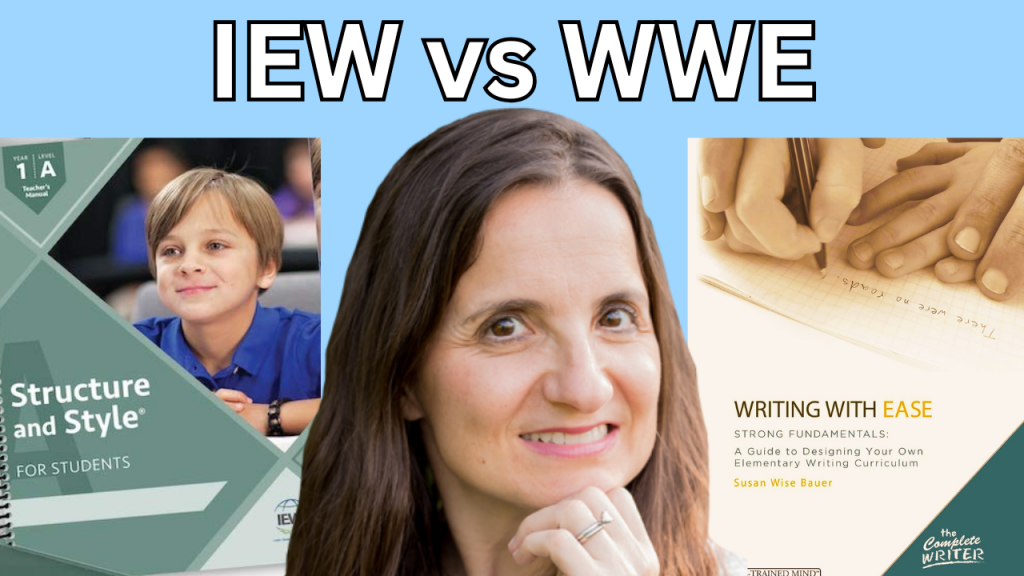
IEW vs WWE

Institute for Excellence in Writing vs Writing With Ease Curriculum Review

Here’s a simple breakdown of two popular homeschool writing curricula—IEW (Institute for Excellence in Writing) and Writing With Ease—and how to decide which one fits your child best. Continue reading »


Story of the World vs Notgrass History: Which Homeschool Curriculum Is Best?

Posted on

If history feels like a struggle in your homeschool, the problem may not be the subject—it’s the method.

When taught well, history comes alive. So how do you choose between Story of the World vs Notgrass History?

The answer depends on your child. Watch on YouTube or keep reading.

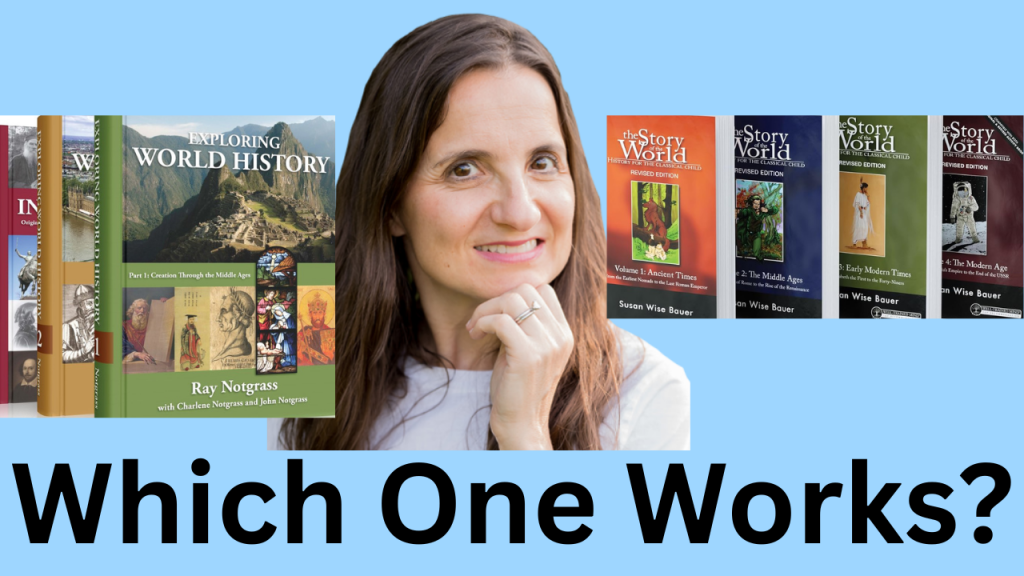
Story of the World vs Notgrass History

Story of the World vs Notgrass History


Story of the World: Engaging and Story-Driven

Story of the World presents history as a narrative, covering ancient to modern times across four volumes. Continue reading »


How to Put a Child to Bed (Ages 3–8): Calm Bedtime Routines That Actually Work

Posted on

Putting a child to bed is easy when they’re babies. But what about ages 3–8—after a full day of stimulation, energy, and emotions?

That’s where many parents struggle.

Calm Bedtime?

Calm Bedtime?

In a recent interview on Homeschool Ways, I spoke with children’s author Karen Brough about how to create calm, connected bedtime routines that actually help kids settle down. Continue reading »


Life of Fred vs Saxon Math: Which Homeschool Math Curriculum Is Better?

Posted on

If you’re deciding between Life of Fred vs Saxon Math, you’re not alone. These two popular homeschool math curricula take completely different approaches—and choosing the right one can make all the difference.

Life of Fred vs Saxon Math

Life of Fred vs Saxon Math

The key isn’t which program is better. It’s which one fits your child.

How Saxon Math Works

Saxon Math uses a spiral approach, meaning students continuously review concepts over time. Each lesson mixes new material with ongoing practice.

Pros:

  • Ideal for kids who need repetition
  • Builds strong procedural skills
  • Predictable daily structure

Cons:

  • Can feel repetitive or boring
  • Less focus on deep conceptual understanding
  • May frustrate fast learners

Best for: Students who need routine, repetition, or help filling learning gaps.

How Life of Fred Works

Life of Fred teaches math through engaging stories, helping students understand concepts in a creative, memorable way.

Pros:

  • Great for kids who dislike traditional math
  • Encourages conceptual understanding
  • Less intimidating format

Cons:

  • Not enough practice for some learners
  • May require supplemental worksheets
  • Parents may wonder if it’s “enough”

Best for: Creative learners who want to understand the why behind math.

Life of Fred vs Saxon Math: Key Difference

  • Saxon Math: Structure + repetition
  • Life of Fred: Concept + curiosity

Which Homeschool Math Curriculum Should You Choose?

Choose Saxon Math if your child:

  • Thrives on routine
  • Needs consistent review
  • Struggles with retention

Choose Life of Fred if your child:

  • Gets bored easily
  • Loves stories and creativity
  • Needs deeper understanding

Many homeschool families use a hybrid approach, combining a structured “spine” curriculum with Life of Fred for enrichment.

Final Thoughts

Choosing a homeschool math curriculum can feel overwhelming. But if you’re asking these questions, you’re already on the right track.

The best curriculum is the one that helps your child succeed.


life of fred vs saxon math, homeschool math curriculum comparison, best homeschool math program, saxon math review, life of fred review, homeschool math choices


Why We Keep Swinging Between Parenting Extremes — And How to Find the Calm Middle

Posted on

Every parent knows the feeling. One moment you’re full of love and indulgence, the next your kids are testing every limit and you swing hard in the opposite direction — yelling, threatening, or going completely permissive to make up for it. It’s human. We love our children deeply and desperately want to get it right, so we overcorrect.

Parenting in the Extremes

Parenting in the Extremes

On a recent episode of the Homeschool Ways Podcast, I spoke with Manu Brune, author of Overcorrecting: Parenting in the Middle While the World Shouts in Extremes. Manu is a parent coach, postpartum specialist, and founder of Beyond Birth Basics. She sees this pendulum swing in families everywhere — especially among intentional parents who are trying hard not to repeat the mistakes of previous generations. Continue reading »


Behind in Homeschool High School? 3 Worries Moms Have

Posted on

If you’re homeschooling a teen and quietly wondering, “Am I messing this up?” – you’re not alone.

High school feels different. Credits matter. Transcripts matter. It feels real.

Behind in High School

Three Common Fears

Let’s look at three common worries – and what actually matters most. Continue reading »


Google’s Learn Your Way: A Boost for Homeschool Education

Posted on

In the evolving landscape of educational tools, Google’s Learn Your Way stands out as an innovative experiment from Google Labs. Launched in September 2025, this AI-powered platform reimagines traditional textbooks. How? By transforming static content into dynamic, personalized learning experiences. Built on LearnLM, Google’s family of models infused with pedagogical principles, it adapts materials to a student’s grade level and interests. This likely fosters deeper engagement and better retention.

Learn Your Way from Google

Learn Your Way from Google

At its core, Learn Your Way allows users to upload PDF textbooks or use provided samples, such as those from OpenStax. The AI generates multiple formats: immersive text, narrated slides, audio lessons, mind maps, and interactive quizzes. Realtime feedback is one of the tools, too. Early studies show students using it scored 11 percentage points higher on retention tests compared to traditional methods. Continue reading »