As parents, we tend to notice everything about our children—especially when something seems delayed or out of step with expectations. Few concerns are as emotionally charged as wondering why a child is not yet talking.
In this post, I want to share an important message for homeschool parents, inspired by my recent conversation with Bate Ilondior, author of I Am Joshua. Her story is not about panic or comparison. It is about clarity, courage, and doing what is best for your child.
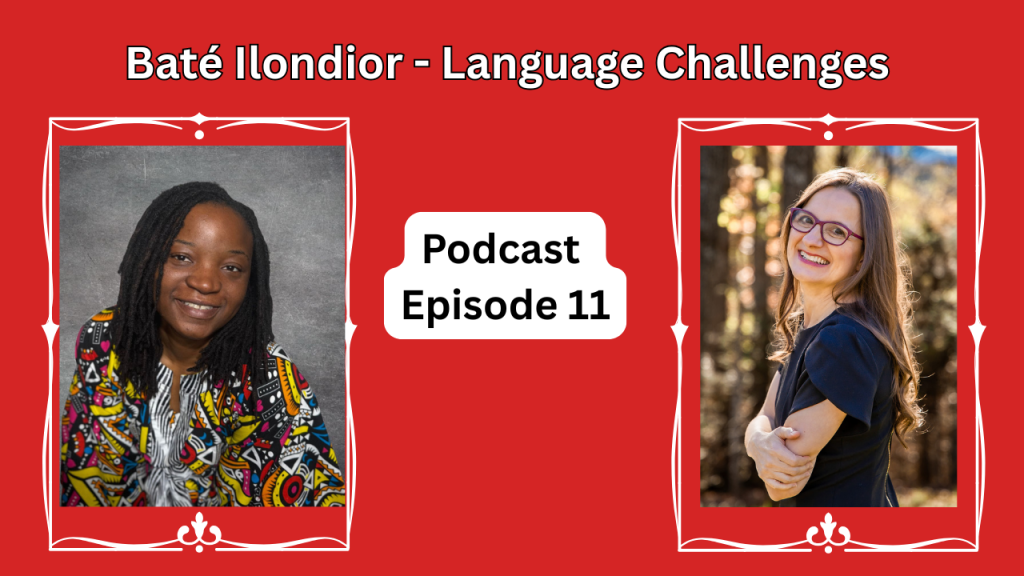
Homeschool Ways Podcast Episode 11
When Speech Doesn’t Come Easily
Bate’s son did not speak much until he was four years old. Like many parents, she heard well-meaning comments suggesting that he would “catch up,” that some children are simply late talkers, or that brilliance sometimes comes with delay.
While it is true that children develop at different rates, Bate made a critical decision: she chose not to rely on hope alone.
Instead, she began asking questions.
Choosing Evaluation Over Waiting
Bate pursued professional evaluations, testing, and speech therapy for her son. This process took time and emotional energy, but it also brought clarity.
After several months of targeted speech therapy, her son began developing vocabulary and communication skills. Progress did not happen overnight—but it did happen.
This is a key takeaway for parents:
A speech delay is not a moral failing, a parenting failure, or something to hide. It is a signal worth taking seriously.
Why This Matters for Homeschool Families
Homeschool parents often value flexibility, individualized education, and protecting childhood. These values are strengths—but they can also make it tempting to delay outside intervention.
Bate’s journey is a reminder that:
- Professional support and homeschooling are not opposites
- Speech therapy can complement a home education beautifully
- Early intervention can reduce long-term frustration for both parent and child
Homeschooling works best when education is tailored to the child, not when a child is forced to fit a philosophy.
Advocacy Is an Act of Love
One of the most powerful parts of Bate’s story is her willingness to advocate—even when the path was unclear.
She did not label her son as broken.
She did not lower expectations.
She did not wait indefinitely.
She gathered information, sought help, and adjusted her approach.
That is what effective homeschooling looks like in real life. (For the record, Bate’s children are in public school, but I know plenty of homeschoolers who have reached out for evaluation and professional help while homeschooling.)
A Word to Parents Who Are Unsure
If you are wondering whether your child’s speech delay is “serious enough,” consider this:
Getting an evaluation does not commit you to a diagnosis.
It does not force you into a system.
It does not mean something is wrong with your child.
It gives you information—and information empowers better decisions.
Recommended Resource
Bate Ilondior indirectly shares her experience in her book:
I Am Joshua – Let’s Talk Available on Amazon (affiliate link).
Her story will resonate with parents navigating speech delays, language challenges, and individualized education paths.
Free Resource for Homeschool Parents
If you are feeling overwhelmed and unsure where to begin, I’ve created a free resource to help you regain clarity:
Organize Your Homeschool in 1 Hour (Free PDF)
Final Encouragement
Every child deserves to be understood.
Every parent deserves support.
And every homeschool journey looks different.
If your child isn’t talking yet, you are not behind—and you are not alone. With thoughtful advocacy and the right support, progress is possible.
If this post encouraged you, consider subscribing to the Homeschool Ways YouTube channel for weekly homeschool encouragement, practical tools, and conversations that matter. Or subscribe to the podcast. Or the blog, right below.


