If you want to give your child the gift of music but feel intimidated because you never learned an instrument yourself — you’re not alone. Homeschool moms write to me saying:
“Where do I even start?”
“What instrument should we choose?”
“Is my child too young?”
“How do I know if the teacher is good?”
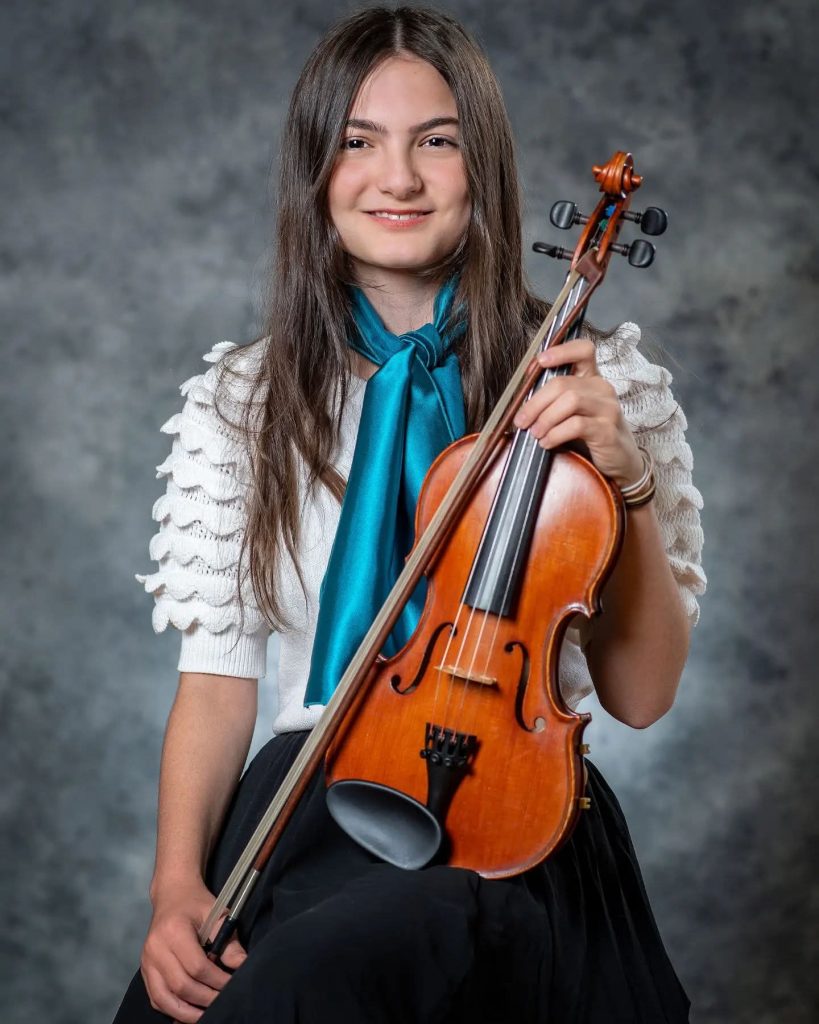
My daughter played in the Knoxville Youth Symphony Orchestras for six years.
This guide breaks down the 5 steps I wish I had known when I started my children in violin and piano (and then harp for my daughter).
1. Know Your Goal
Before choosing a teacher or instrument, identify why you want your child in music:
- Do you want to expose them to music?
- Build confidence?
- Develop discipline?
- Create long-term skill?
Your goal will shape everything. Expectations can stress you out, so make sure you work through your expectations, dreams, and goals.
2. Choose the Instrument That Fits Your Child
Match the instrument to your child’s personality:
Piano – structured, great first instrument
Violin – expressive, perfect for Suzuki method
Guitar – fun and approachable
Voice – wonderful for expressive, creative kids
Start with one instrument. You can always add another later.
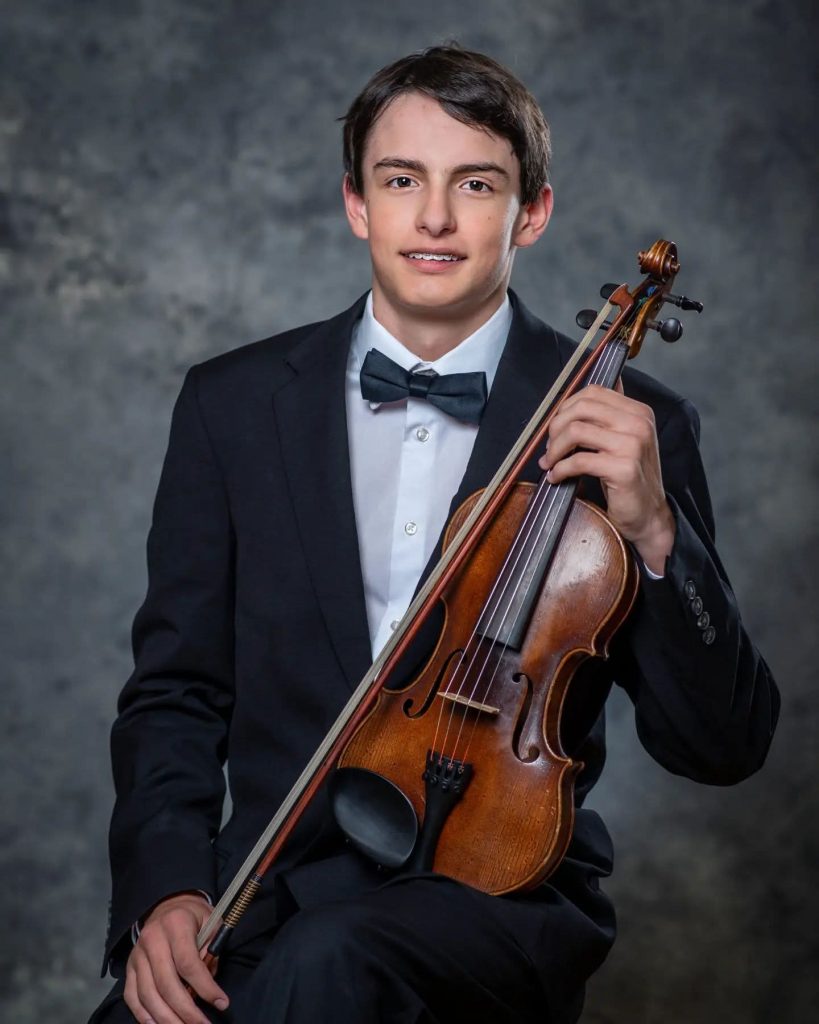
My son played in the Knoxville Youth Symphony Orchestras for six year.
3. Find a Teacher Who Is Warm, Patient, and Fun
Great teachers are:
- Kind
- Encouraging
- Good with children
- Clear communicators
- Playful (especially in Suzuki lessons)
Credentials matter far less than connection.
Don’t be afraid to try a few teachers to find the right fit. We interviewed two teachers one year. I now know we should have interviewed at least three or four.
4. Build a Practice Routine That Works
Consistency > long sessions. Seriously, friends. Consistency matters more than long sessions of practice. Atomic habits strike again. Start small, keep it small, but daily. Consistent. Effort. That’s where it becomes part of your routine and your child gets used to music practice without burning out.
10–20 minutes a day is enough for young children.
Short, cheerful lessons build skill and joy.
5. Don’t Be Afraid to Start Imperfectly
You don’t need a musical background.
You don’t need to know everything.
Your child simply needs exposure, encouragement, and a teacher who fits.
Music is a gift — and gifts don’t have to be perfect to be meaningful.


Great article! Encouraging and informative. Thank you.
My pleasure, Anastasia. 🙂